
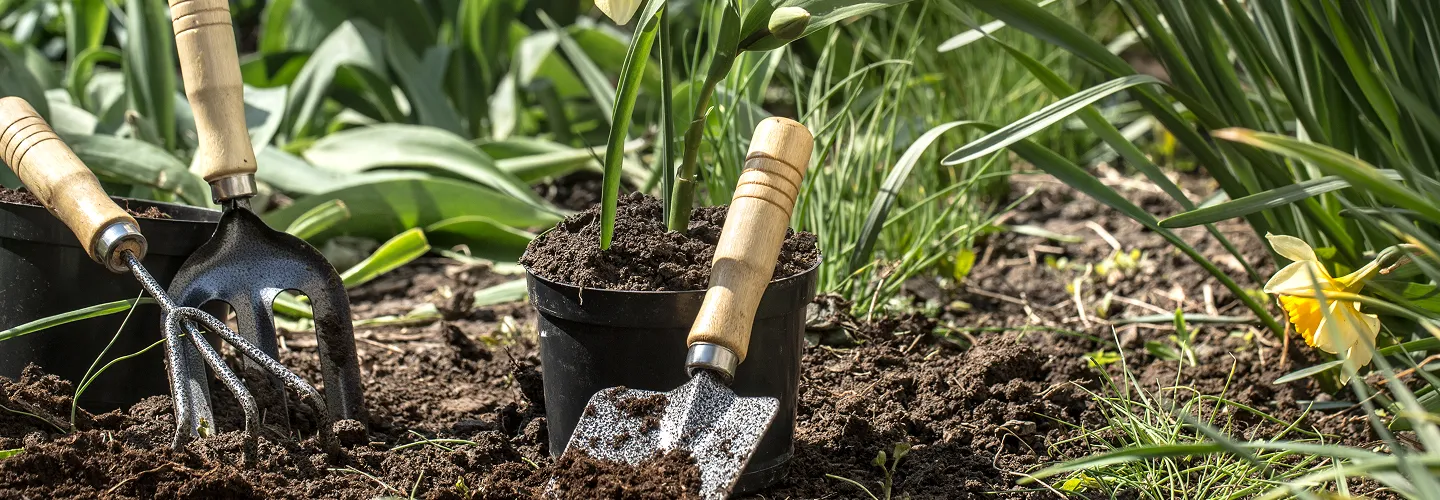
Oglethorpe Weeding Services
Choose our expert weeding services for a healthier, more vibrant landscape—our skilled team ensures your garden stays weed-free, letting your plants thrive and your yard look its best all season long.
Get a Free QuoteOur Oglethorpe Landscaping & Yard Care Services
When to Schedule Weeding in Oglethorpe, Georgia – Seasonal Guide
In Oglethorpe, Georgia, the best times to schedule weeding are closely tied to our region’s unique climate and landscape. Early spring, just after the last frost date, is ideal for tackling weeds before they become established. With Oglethorpe’s humid summers and mild winters, weeds can thrive nearly year-round, but targeting them in spring and late summer—especially in neighborhoods like Magnolia Heights or near the Oglethorpe City Park—yields the best results. Local soil types, ranging from sandy loam to clay, also influence weed growth and removal strategies.
Environmental factors such as drought risk during late summer, heavy shade coverage from mature oaks in areas like Riverbend, and periodic rainfall all play a role in determining the optimal weeding schedule. Homeowners should also be aware of municipal guidelines, which can be found on the Oglethorpe city website, to ensure compliance with local landscaping ordinances.
Local Factors to Consider for Weeding in Oglethorpe
- Proximity to mature tree canopies (e.g., in Riverbend or Magnolia Heights)
- Soil composition (sandy loam vs. clay)
- Average precipitation and drought periods
- Frost dates and seasonal temperature shifts
- Municipal landscaping restrictions
- Terrain slope and drainage patterns
- Shade coverage from neighborhood landmarks
Benefits of Weeding in Oglethorpe
Enhanced Curb Appeal
Healthier Plant Growth
Reduced Pest Infestation
Improved Soil Quality
Professional and Reliable Service
Time and Effort Savings
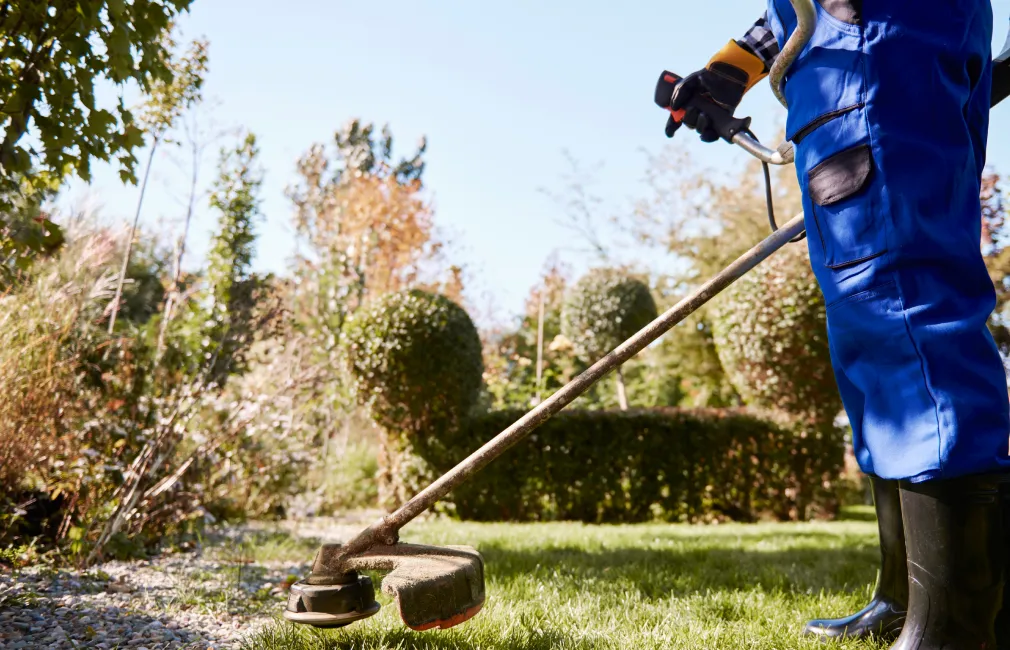
Oglethorpe Weeding Types

Hand Weeding
-
Mechanical Weeding
-
Mulching for Weed Control
-
Chemical Weed Removal
-
Flame Weeding
-
Soil Solarization
-
Selective Herbicide Application
Our Weeding Process
Site Evaluation
Weed Identification
Targeted Removal
Soil Treatment
Final Inspection
Why Choose Oglethorpe Landscape Services
-
Oglethorpe Homeowners Trust Us
-
Expert Lawn Maintenance
-
Reliable Scheduling
-
Competitive Pricing
-
Professional Team
-
Satisfaction Guarantee
-
Personalized Service
Oglethorpe's Middle Georgia Soils and Their Impact on Seasonal Weed Pressure
Oglethorpe sits in Georgia's Middle Georgia region within Macon County, where the USDA Plant Hardiness Zone Map places the area in Zone 8b. The predominant soils in and around Oglethorpe belong to the Tifton, Faceville, and Greenville series, according to the USDA Web Soil Survey. These soils tend toward acidic pH levels (typically 5.0–6.2) and feature a mix of sandy loam surface layers over clay subsoils. This combination creates conditions that favor aggressive warm-season weeds, including:
- Crabgrass and goosegrass, which thrive in compacted, disturbed areas with full sun exposure
- Chamberbitter and spurge, which exploit thin turf and bare soil patches during summer heat
- Nutsedge, which proliferates in poorly drained low spots where clay subsoil traps moisture
Understanding these soil characteristics is essential for timing pre-emergent and post-emergent weed management. Compacted clay areas near driveways, walkways, and older lot foundations often harbor the densest weed populations and require targeted cultivation or aeration before effective weed suppression can be achieved.
Optimal Weeding Windows for Oglethorpe's Long Warm-Season Growth Period
Oglethorpe's extended warm season—typically spanning late March through mid-November—demands a structured weeding schedule rather than reactive, one-time efforts. The National Weather Service data for Middle Georgia indicates average last frost dates near mid-March and first frost dates in late November, giving weeds a roughly eight-month active growth window. Effective timing guidance includes:
- Late February to mid-March: Apply granular pre-emergent herbicides before soil temperatures consistently reach 55°F at a four-inch depth, which prevents summer annual weed germination
- April through June: Conduct manual weeding and targeted post-emergent treatment as warm-season weeds emerge rapidly during this period
- July through September: Focus on nutsedge and perennial weed management, as summer rainfall and humidity accelerate regrowth
- October through November: Remove cool-season weed seedlings such as henbit and annual bluegrass before they establish winter root systems
UGA Cooperative Extension recommends that property owners in Middle Georgia maintain a minimum two-week weeding cycle during peak summer months to prevent seed set and reduce the following year's weed bank.
How Oglethorpe's Code Enforcement Standards Affect Overgrown Properties
The City of Oglethorpe enforces property maintenance standards that directly affect how residents and property managers address weed growth. Overgrown vegetation, including weeds exceeding height thresholds on residential and commercial lots, may trigger code enforcement action. Property owners should be aware of the following compliance considerations:
- Lots with vegetation growth that creates a nuisance, obstructs visibility along roadways, or harbors vermin may be subject to notice and required remediation
- Frontage areas along city rights-of-way must be maintained to preserve sightlines for pedestrian and vehicular safety
- Vacant and unoccupied lots carry the same maintenance obligations as occupied properties
Residents who receive a notice or wish to verify current vegetation height standards and compliance timelines should contact the City of Oglethorpe Code Enforcement office directly. Proactive weeding on a regular schedule is the most effective way to remain in compliance and avoid potential penalties.
City of Oglethorpe Code Enforcement
Oglethorpe, GA 31068
Official Website: City of Oglethorpe Code Enforcement
Protecting Oglethorpe's Drainage Ditches and Waterways During Weed Removal
Oglethorpe's landscape includes roadside drainage ditches, low-lying areas near Flint River tributaries, and stormwater conveyance features that require careful attention during weeding activities. The Georgia EPD Watershed Protection Branch oversees water quality standards that apply to activities generating runoff or disturbing soil near waterways. Property owners and service providers should observe the following precautions:
- Do not apply herbicides within 25 feet of drainage ditches, creeks, or standing water unless the product label specifically permits aquatic-adjacent use
- Avoid mechanical soil disturbance on slopes draining toward waterways, as exposed soil accelerates sediment runoff during Middle Georgia's frequent summer thunderstorms
- Bag and remove pulled weeds rather than leaving debris in ditches or drainage swales where decomposing plant material can obstruct water flow
- Time herbicide applications to avoid periods when rain is forecast within 24 hours, reducing the risk of chemical transport into surface water
These practices align with Clean Water Act protections and help preserve local water quality. For questions about stormwater infrastructure within city limits, contact the City of Oglethorpe Water and Utilities department.
City of Oglethorpe Water and Utilities
Oglethorpe, GA 31068
Official Website: City of Oglethorpe Water and Utilities
Georgia Herbicide Licensing Requirements for Professional Weed Control Applicators
Property owners in Oglethorpe who hire professional weeding services involving chemical herbicide application should verify that the applicator holds proper Georgia credentials. Under the Georgia Pesticide Use and Application Act of 1976, any individual applying restricted-use or commercial-grade herbicides for compensation must maintain current licensing through the Georgia Department of Agriculture. Key requirements include:
- Commercial applicators must pass category-specific examinations and renew licenses on a five-year cycle with continuing education credits
- Registered employees working under a licensed applicator must carry valid registration cards and operate under direct supervision protocols
- Product labels are legally binding—applicators must follow all label directions regarding application rates, buffer distances, and personal protective equipment
Property owners can request a contractor's license number and verify its status through the Georgia Department of Agriculture's Agricultural Pest Control division. Hiring unlicensed applicators exposes property owners to liability for environmental damage and potential violations of state law.
What Neighborhoods Do We Serve Throughout Oglethorpe, GA?
- Downtown Oglethorpe: The historic core features older residential lots with mature shade trees and established turf. Compacted soils and shaded areas promote nutsedge, dollarweed, and shade-tolerant broadleaf weeds that require targeted manual removal and selective herbicide application.
- Highway 49 Corridor: Properties along this corridor experience higher soil disturbance from development activity, creating conditions favorable to crabgrass, goosegrass, and annual sedge establishment in thin or newly graded turf areas.
- Flint River Road Area: Low-lying lots near Flint River tributaries present persistent moisture that supports dense weed growth, particularly nutsedge and torpedo grass. Herbicide use near waterways requires strict label compliance and buffer adherence.
- Oglethorpe Industrial Park Vicinity: Commercial and mixed-use lots in this area often have compacted fill soils and gravel margins where prostrate spurge, chamberbitter, and pigweed colonize rapidly during summer months.
- Macon County Fairgrounds Neighborhood: Residential properties near the fairgrounds feature open, sun-exposed yards where warm-season annual weeds dominate from April through October, requiring consistent pre-emergent and manual weeding schedules.
- Parks and Recreation Adjacent Areas: Properties bordering city park land managed by Oglethorpe Parks and Recreation may experience weed migration from unmaintained edges, making perimeter weeding and barrier mulching particularly important for these lots.