
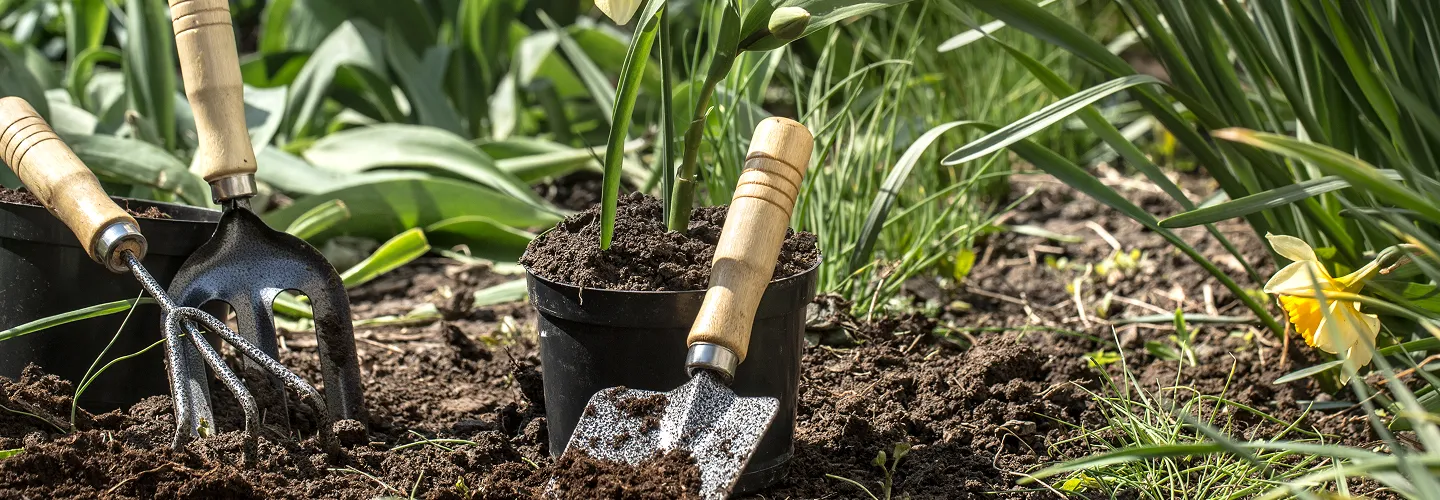
Oglethorpe Flower Planting Services
Choose our flower planting services for vibrant, expertly arranged blooms that enhance your curb appeal and thrive in Oglethorpe’s unique climate—bringing lasting beauty and value to your property.
Get a Free QuoteOur Oglethorpe Landscaping & Yard Care Services
When to Schedule Flower Planting in Oglethorpe, Georgia – Seasonal Guide
Flower planting in Oglethorpe, Georgia, is best scheduled with careful attention to the region’s unique climate and landscape. The ideal planting windows are typically early spring, after the last frost date in late March, and early fall, when soil temperatures remain warm but the risk of drought diminishes. Neighborhoods near the Oglethorpe Historic District and along the Flint River often experience microclimates, so it’s important to consider local variations in shade and soil moisture.
Oglethorpe’s humid subtropical climate means summers can be hot and muggy, while winters are mild but occasionally see unexpected cold snaps. Before planting, check for municipal watering restrictions and be mindful of the sandy loam soils common in areas like Magnolia Heights. For more detailed local planting guidelines, consult resources such as the Sudbury town website.
Local Factors to Consider for Flower Planting in Oglethorpe
- Proximity to mature trees and resulting shade coverage
- Soil type and drainage, especially in low-lying neighborhoods
- Average precipitation and drought risk during summer months
- Frost dates and risk of late cold snaps
- Terrain slope and potential for water runoff
- Municipal watering restrictions or landscaping ordinances
Benefits of Flower Planting in Oglethorpe
Enhanced Curb Appeal
Increased Property Value
Seasonal Color Variety
Improved Air Quality
Attracts Pollinators
Low Maintenance Options
Oglethorpe Flower Planting Types

Annual Flower Beds
Seasonal color displays using vibrant annuals for maximum visual impact.
-
Perennial Gardens
Long-lasting blooms that return year after year for sustainable beauty.
-
Native Plant Installations
Utilizing local species for low-maintenance and eco-friendly landscapes.
-
Pollinator Gardens
Flower beds designed to attract bees, butterflies, and other pollinators.
-
Shade Garden Plantings
Specialized flower selections for areas with limited sunlight.
-
Container Flower Arrangements
Versatile and movable flower displays for patios and entryways.
-
Bulb Planting Designs
Seasonal bulbs for early spring and fall color in your landscape.
Our Flower Planting Process
Site Evaluation
Soil Preparation
Flower Selection
Planting
Watering and Mulching
Why Choose Oglethorpe Landscape Services
-
Oglethorpe Homeowners Trust Us
-
Expert Lawn Maintenance
-
Reliable Scheduling
-
Competitive Pricing
-
Professional Team
-
Satisfaction Guarantee
-
Personalized Service
Oglethorpe's Middle Georgia Soils and Their Impact on Flower Bed Preparation
Oglethorpe sits within Georgia's Middle Georgia region in Macon County, where soils transition between Piedmont clay influences and Coastal Plain sandy loams. According to the USDA Web Soil Survey, predominant soil series in the area include Tifton sandy loam and Greenville sandy clay loam, which tend toward acidic pH levels ranging from 5.0 to 6.2. These conditions directly affect flower planting success. Before installing annual or perennial beds, property owners should consider the following soil preparation steps:
- Soil testing through the UGA Cooperative Extension to determine exact pH and nutrient deficiencies
- Organic matter amendment with composted material to improve moisture retention in sandy-textured soils
- Lime application based on test results, as most flowering species perform best in a pH range of 6.0 to 6.5
- Drainage assessment to identify compacted or poorly drained low spots where standing water may damage root systems
Oglethorpe falls within USDA Hardiness Zone 8b, supporting a wide range of warm-season flowering plants but requiring attention to soil structure before planting.
Optimal Flower Planting Windows for Oglethorpe's Extended Growing Season
Oglethorpe's long warm season, typically spanning from late March through early November, provides an extended window for flower establishment but demands careful timing to avoid heat stress and drought exposure. The National Weather Service data for Middle Georgia indicates average last frost dates near mid-March and first frost dates in mid-November, giving residents approximately 240 frost-free days annually. Recommended planting windows include:
- Cool-season annuals (pansies, violas, snapdragons): Install from late October through early November for winter and early spring color, or in late February for spring displays
- Warm-season annuals (zinnias, lantana, pentas, vinca): Plant after soil temperatures consistently reach 65°F, typically mid-April through May
- Perennials (coneflower, black-eyed Susan, salvia): Establish in early spring (March–April) or early fall (September–October) to allow root development before summer heat or winter dormancy
- Summer bulbs (caladiums, gladiolus): Plant after soil warms to 65°F, generally late April
Avoid planting during peak July and August heat when daytime temperatures regularly exceed 95°F, as transplant shock rates increase significantly during these periods.
Selecting Heat- and Humidity-Tolerant Flower Species for Oglethorpe Landscapes
Middle Georgia's combination of sustained summer heat, high humidity, and periodic drought creates challenging conditions for many ornamental species. Property owners and managers in Oglethorpe should prioritize flower selections adapted to USDA Zone 8b conditions and the region's acidic, sandy loam soils. The UGA Cooperative Extension recommends the following categories for reliable performance in this climate:
- Full-sun annuals: Vinca (Catharanthus roseus), lantana, pentas, and angelonia tolerate sustained temperatures above 90°F and resist common fungal diseases exacerbated by humidity
- Shade-tolerant options: Impatiens (for sheltered beds), caladiums, and begonias perform well under mature tree canopy common on older Oglethorpe lots
- Native and adapted perennials: Coreopsis, rudbeckia, echinacea, and butterfly weed (Asclepias tuberosa) support local pollinators and require minimal supplemental irrigation once established
- Deer-resistant selections: Lantana, salvia, and rosemary are advisable in areas bordering wooded corridors or rural edges where deer pressure is common
Residents should avoid species prone to powdery mildew or root rot in humid conditions, such as certain hybrid tea roses or non-adapted hydrangea varieties, unless site-specific microclimates provide adequate air circulation.
How Oglethorpe's Stormwater and Code Standards Affect Flower Bed Installation
Flower bed installation on residential and commercial properties in Oglethorpe must account for local code compliance and stormwater management considerations. The City of Oglethorpe's Code Enforcement office oversees property maintenance standards, including frontage appearance and vegetation management along public rights-of-way. Property owners planning flower beds near sidewalks, drainage ditches, or road frontage should verify that plantings do not obstruct sightlines or encroach into municipal easements. Key compliance considerations include:
- Right-of-way clearance: Flower beds and border materials must not extend into city right-of-way areas or block drainage flow along roadside ditches
- Mulch and soil runoff: Beds installed on slopes or near storm drainage infrastructure should incorporate edging or retention barriers to prevent mulch and sediment from entering stormwater conveyances
- Fertilizer and amendment runoff: The Georgia EPD Watershed Protection Branch guidelines apply to nutrient management near waterways; avoid applying granular fertilizer within 10 feet of drainage ditches or creek buffers
For questions regarding property line setbacks, frontage standards, or permitted bed placement near public infrastructure, contact the City of Oglethorpe directly.
City of Oglethorpe Code Enforcement
Official Website: City of Oglethorpe Code Enforcement
City of Oglethorpe Planning and Zoning
Official Website: City of Oglethorpe Planning and Zoning
Coordinating Flower Planting Near Oglethorpe's Parks, Creeks, and Community Spaces
Oglethorpe's proximity to Flint River tributaries and local creek corridors means that flower planting on properties adjacent to waterways or municipal park areas requires environmental awareness. The City of Oglethorpe Parks and Recreation Department manages public green spaces where community beautification efforts may intersect with private landscaping projects. Property owners with lots bordering creeks, drainage channels, or park boundaries should observe the following practices:
- Stream buffer compliance: Avoid tilling, amending, or planting within established riparian buffer zones; Georgia EPD generally recommends maintaining undisturbed vegetated buffers of at least 25 feet from perennial streams
- Erosion prevention: Use ground-cover plantings or dense perennial beds rather than bare-soil annual rotations on slopes draining toward waterways
- Native plant integration: Incorporating native wildflowers and grasses along creek-adjacent edges supports bank stabilization and reduces maintenance inputs
- Pesticide and herbicide restrictions: Any chemical applications near water features must comply with Georgia Department of Agriculture pesticide regulations and product label buffer requirements
Residents interested in community planting initiatives near public spaces should coordinate through the Parks and Recreation Department to ensure alignment with municipal land management plans.
City of Oglethorpe Parks and Recreation
Official Website: City of Oglethorpe Parks and Recreation
What Neighborhoods Do We Serve Throughout Oglethorpe, GA?
- Downtown Oglethorpe: The historic core features older residential lots with mature shade trees, often requiring shade-tolerant flower selections such as caladiums and begonias; compacted soils from decades of development may necessitate deeper bed preparation and organic amendment.
- Highway 49 Corridor: Properties along this corridor tend toward open, full-sun exposure with sandy loam soils typical of the Tifton series; heat-tolerant annuals like vinca and lantana perform reliably in these conditions.
- Flint River Road Area: Lots near Flint River tributaries and low-lying drainage areas present higher moisture levels and potential flooding risk, making raised bed construction and flood-tolerant perennial selections advisable.
- Montezuma Highway Vicinity: Residential properties in this area feature mixed sun and partial shade with moderate lot sizes; seasonal color rotations of pansies and zinnias are well-suited to the soil and light conditions.
- Rural-Edge Residential Areas: Properties bordering agricultural land and wooded corridors experience increased deer pressure and benefit from deer-resistant species such as salvia, rosemary, and lantana; soil conditions may vary and should be tested before planting.